.png)
How Brands Are Reaching Gen Z Through College Activations in Northeast India
By Rudrajeet Kumar Laskar | Netive Editorial
From talent hunts and live performances to product experiences and student-led content, college campuses across Northeast India are becoming important spaces for brands looking to connect with young consumers beyond conventional advertising.
Guwahati, October 12: Walk into a college campus during a talent hunt today, and you are likely to find much more than students singing, dancing or cheering for their friends. There could be a motorcycle on display, a smartphone brand encouraging students to create content, a food brand offering product trials or a fashion retailer inviting young people to take the stage. For brands, these are no longer just promotional opportunities. They are becoming a way to enter the everyday lives of young consumers. Across Northeast India, campus activations are gaining momentum as brands look for more direct and meaningful ways to engage with Gen Z. Rather than relying entirely on advertising or digital campaigns, marketers are increasingly turning to experiences that students can participate in, enjoy and share.
A series of recent college initiatives across Assam, Meghalaya and Tripura offers an interesting picture of how this approach is taking shape.
From Brand Visibility to Brand Participation

One of the more prominent examples has been RED FM's College Ke Tashanbaaz, a multi-city college talent initiative that travelled through Guwahati, Shillong and Agartala. Covering approximately 30 colleges, the property brought together students through singing, dancing, stand-up comedy and other performances. While talent discovery remained at the centre of the activity, it also offered brands an opportunity to interact directly with young audiences.
Aashirvaad Soya Chunks, ITC Classmate, Royal Enfield, Hyundai and Samsung were among the major sponsors, with different forms of brand integration, student engagement and product experiences woven into the campus activities. The interesting part is how naturally different product categories can fit into such an environment. For a food brand, it could be about encouraging trials and introducing products to a younger audience. For a stationery brand, the college connection is already established. For motorcycles and smartphones, the campus offers access to young consumers who are beginning to make independent choices and develop their own brand preferences.
NOW STAR Takes the Engagement Beyond Guwahati

While Guwahati remains a natural hub for large youth-focused events, the enthusiasm for campus engagement is equally visible in other parts of Assam. TRENDS NOW STAR, a campus talent discovery initiative brought to life through a collaboration between TRENDS and RED FM, with digital amplification by NETIVE, is one such example.
Focused largely on Upper Assam's towns of Dibrugarh, Tinsukia, Jorhat, Doomdooma, Digboi etc, the initiative reached approximately 14 colleges, offering students a platform to showcase their talent in fashion, singing, dancing and other performance categories.
More than 1,000 students participated in the college audition rounds, with encouraging turnout and enthusiasm across the participating institutions. The initiative eventually moved towards a grand finale, bringing together the talent discovered during the campus journey. For TRENDS, the association made sense beyond conventional brand visibility.
Fashion is closely connected with how young people express themselves. A platform that encourages students to walk the ramp, perform, experiment with their style and build confidence creates a natural connection with a fashion retailer. Instead of asking young consumers to simply look at a collection, the brand becomes part of an experience built around their own personalities and aspirations. The response also highlighted something that marketers sometimes overlook: the appetite for organised, high-energy youth engagement is not limited to metropolitan centres.
When Talent Becomes the Connecting Point

Another example is Radio Gupshup's Local Rockstar, which reached ten colleges in Guwahati before culminating in a grand finale. The format is familiar, but its appeal remains strong. Music has always been a big part of college life, and platforms that give students an opportunity to perform in front of their peers naturally attract interest. Here again TRENDS is the lead sponsor with Triumph as a two wheeler partner
For the participating students, it is a chance to be recognised. For their friends, it becomes something to watch, cheer for and talk about. For the organisers and associated brands, it creates an engaged audience without making the entire experience feel like a promotional exercise.
And the engagement does not necessarily end when the event is over. Performances, photographs, reels and student-generated content can continue circulating through social media, extending the visibility of the initiative beyond the campus.
Around 50+ Campus Activations, and a Bigger Story Behind the Numbers
Between RED FM's College Ke Tashanbaaz, Radio Gupshup's Local Rockstar and TRENDS NOW STAR, approximately 50+ college activations were conducted across the region. And that is only part of the picture. Individual brand-led initiatives, including OPPO's campus ambassador activities and other college-focused engagements, add to the growing presence of brands in educational institutions. The overall number of campus engagements could therefore be considerably higher. But the more important story is not necessarily how many colleges were covered. It is about why brands are investing in these spaces.
For a generation that discovers products through Instagram, creators, peer recommendations and everyday digital conversations, traditional advertising is only one part of the journey. It is an interesting combination of experiential marketing, community engagement and organic digital amplification.
Why the Northeast Makes an Interesting Case
Northeast India has always had a strong connection with music, fashion, performance and youth-driven culture. From the independent music scene in Shillong to the growing fashion and creator communities in Assam, young people across the region are actively shaping their own cultural spaces. For brands, this presents an opportunity, but it also calls for a better understanding of local audiences.

A campaign that works in Guwahati may need a different approach in Jorhat, Shillong or Agartala. Student interests, cultural references and the nature of participation can vary from one market to another. This is where campus-led properties developed with regional media platforms, event companies and creative agencies can make a difference. They bring together local understanding, access to student communities and the ability to build experiences that feel relevant to the audience. For national brands looking to strengthen their presence in the Northeast, such collaborations offer a way to move beyond generic regional campaigns and engage consumers at a more personal level.
The Real Test Begins After the Event
It is easy to measure a campus activation through the number of colleges visited, participants registered or students gathered around a stage. But those numbers tell only part of the story. The real question is whether students remember the brand once the excitement has settled. Did they try the product? Did they enjoy the interaction? Did the experience change how they viewed the brand? Would they consider buying it or recommending it to a friend?

These are harder questions to answer, but they are important if campus marketing is to become more than a series of one-day events. There is also an opportunity for brands to think beyond individual activations.
A talent hunt could evolve into a recurring college property. Student participants could become campus ambassadors. Young creators discovered during an event could be involved in future campaigns.
The Campus Is No Longer Just a Venue
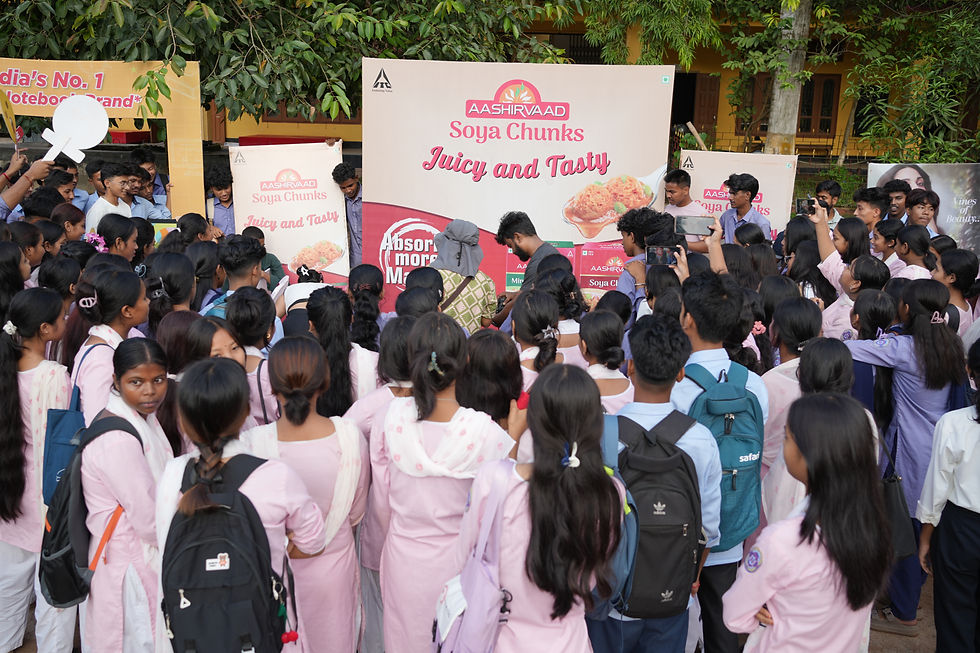
What we are seeing across Northeast India is a gradual change in how brands approach young consumers. College campuses are no longer viewed simply as places to put up branding, distribute samples or conduct promotional contests. They are increasingly becoming spaces where brands can participate in youth culture.
Initiatives such as College Ke Tashanbaaz, Local Rockstar and TRENDS NOW STAR may have different formats and objectives, but they point towards the same opportunity. Young people want experiences. They want to express themselves, discover opportunities, spend time with their friends and be part of something exciting. Brands that understand this have an opportunity to become part of those moments without always making the product the centre of attention. For Northeast India, the growing interest in campus engagement could also mean more platforms for emerging talent, more collaboration between brands and regional creative businesses, and more opportunities for young people outside the larger cities. And perhaps that is where the future of campus marketing lies.


Comments